What Skills Does Being an Ultrasound Tech Require
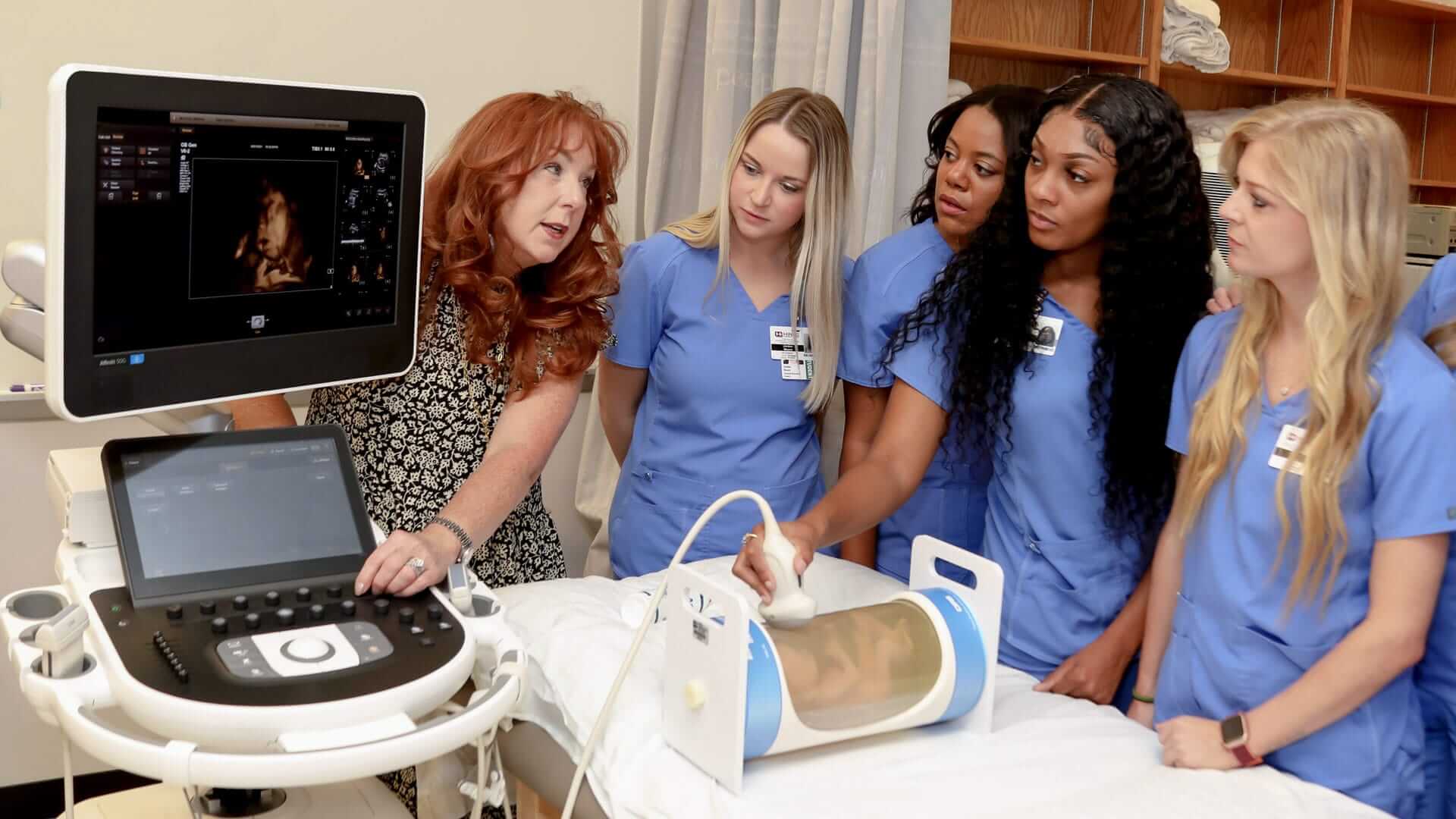
To be an ultrasound technician, there has to be a blend of technical knowledge and people skills. These types of medical technicians have the utilize sophisticated machinery that helps doctors diagnose patients. What makes an ultrasound technician an important piece of the puzzle in the medical industry is their ability to handle technical work as well as have people skills. Below are the technical skills for this important medical job.
Skills Needed to be an Ultrasound Technician
Becoming a successful ultrasound technician requires a combination of technical knowledge and interpersonal abilities. The skills needed to be an ultrasound technician go beyond operating imaging equipment—they also include communication, critical thinking, and patient care. Developing the right skills for an ultrasound technician helps ensure accurate diagnostic results and a positive experience for patients.
Ultrasound Tech Skills
Ultrasound tech skills include both soft and hard skills that allow professionals to perform imaging procedures efficiently and safely. From handling advanced medical technology to interacting with patients and healthcare teams, these skills are essential for daily responsibilities in clinical settings.
Soft Skills for Ultrasound Technician
Soft skills play a crucial role in patient care and workplace efficiency. Important soft skills for an ultrasound technician include:
- Clear communication with patients and medical staff
- Compassion and empathy to help patients feel comfortable
- Attention to detail for accurate imaging and documentation
- Time management to handle multiple patients
- Teamwork and professionalism in healthcare environments
These soft skills support patient trust and effective collaboration.
Hard Skills for Ultrasound Technician
Hard skills are the technical abilities required to perform ultrasound procedures correctly. Key hard skills for an ultrasound technician include:
- Operating ultrasound imaging equipment
- Knowledge of human anatomy and physiology
- Patient positioning and scanning techniques
- Image evaluation and quality control
- Understanding medical terminology
- Following safety and infection control protocols
Mastering these hard skills is essential for producing reliable diagnostic images and supporting medical decisions.
Professional Skills for Ultrasound Technician
- Teamwork – Collaborating effectively with doctors, nurses, and medical staff.
- Ethical responsibility – Maintaining patient confidentiality and professional standards.
- Adaptability – Keeping up with evolving ultrasound technology and procedures.
These skills together help sonographers deliver accurate imaging and high-quality patient care.
What Personality Traits are Needed for Ultrasound Tech
Ultrasound technicians require a combination of personal characteristics to facilitate correct imaging and good patient care. The top personal characteristics of an ultrasonography tech are:
- Compassion and empathy – Assists the patients in feeling comfortable during the examination sessions.
- Patience – Crucial in dealing with fearful patients, as well as conducting delicate tasks.
- Attention to Detail – Leads to high-quality image processing and accurate results.
- Good communication skills – Facilitates explanation to the patient and collaboration with healthcare providers.
- Professionalism and integrity – Important for upholding patient confidentiality and standards of integrity.
- Calm under pressure – Assists in dealing with stressful or busy environments in clinical settings.
- Adaptability – Helps to effectively learn new technology and accommodate different patient needs.
- Physical and mental endurance – Required for prolonged work and strenuous activities.
Why Choose a Career in Sonography?
These qualities and characteristics ensure that ultrasound technologists carry out their roles efficiently and effectively while offering the best care to the patients under their attention. According to U.S. Bureau of Labor Statistics, diagnostic medical sonographers and cardiovascular technologists and technicians are expected to have plenty of job openings in the coming years. Projected job openings are projected to reach new 10,000 each year from 2023 to 2033. The job outlook is also projected to grow 11% over the next decade. A strong job outlook and many job openings mean that you’ll have an easier time finding and keeping a job. Since medical professionals are needed in nearly every city and state, you can choose where you’d like to work.
A career in sonography provides a rewarding opportunity to serve the healthcare industry while making a difference in patient lives. Sonographers have a crucial role in helping physicians diagnose and follow the development of a patient's health conditions.
Job stability and demands constitute one of the significant factors to consider when opting to pursue sonography. The medical sector is also continually experiencing growth, and qualified sonographers become in-demand personnel in hospitals and medical centers. Additionally, the field has attractive salaries and the ability to specialize in obstetric, cardiac, and vascular sonography.
An added advantage of the profession of sonography is that it involves the combination of technology with the care of patients. People in this profession have the opportunity to work with their patients and make them comfortable while carrying out the needed diagnostic procedures. Also, there is the advantage of flexible working situations and the ability to contribute to the correct diagnosis of a patient’s condition.
In conclusion, a career in sonography is a great opportunity for people who are passionate about the medical field, technology, and serving others in a positive way.
FAQ of Ultrasound Technician
1. What Skills Are Required to Be an Ultrasound Technician?
To be an ultrasound technician, you need strong technical skills in operating equipment and understanding anatomy, along with soft skills like communication, empathy, and attention to detail. These qualities ensure accurate imaging and excellent patient care.
2. What personality traits do you need to be an ultrasound tech?
To be an ultrasound technician, you primarily need these five traits:
- Detail-Oriented: You must be precise to capture subtle abnormalities in images.
- Empathy: You need to be calm and compassionate with anxious or pained patients.
- Analytical Thinking: You must enjoy problem-solving to figure out what the monitor is showing.
- Physical Stamina: You need the strength to stand for long hours and move heavy equipment.
- Strong Communication: You must clearly relay information to both doctors and patients.
3. What is the hardest part of being an ultrasound technician?
One of the hardest parts of being an ultrasound technician can be dealing with complex and sometimes emotionally challenging patient situations. For example, patients might be anxious or in pain, and delivering difficult news can be tough. Another challenging aspect is the need for precision and attention to detail, as even small errors in imaging can impact diagnosis. Additionally, the job can be physically demanding, with long periods of standing and maintaining specific positions. Overall, it’s a rewarding career, but it definitely comes with its unique challenges.
4. What are the three most important attributes an ultrasound technologist must have?
The three most important attributes an ultrasound technologist must have are:
- Attention to Detail – Ensuring images are accurate and clear, since even small mistakes can affect diagnosis.
- Strong Communication Skills – Effectively explaining procedures to patients and working closely with healthcare teams.
- Compassion and Patience – Comforting patients who may be anxious, in pain, or facing stressful medical situations.
These attributes help ultrasound technologists provide both precise imaging and excellent patient care.
5. What qualifications do you need to do ultrasounds?
To work as an ultrasound (sonography) technician, you typically need the following qualifications:
- Education – An associate degree in Diagnostic Medical Sonography is most common, though some may pursue a bachelor’s degree. Programs usually include both classroom learning and clinical training.
- Certification – Most employers require certification from recognized bodies like the American Registry for Diagnostic Medical Sonography (ARDMS). Certification usually involves passing exams in general sonography and sometimes a specialty area (like abdominal, obstetric, or vascular).
- Clinical Experience – Hands-on training through internships or clinical rotations is essential to gain practical experience operating ultrasound equipment and working with patients.
- Skills – Strong technical skills, attention to detail, communication, and empathy are important for performing accurate imaging and patient care.
Some states may also require licensure, so it’s important to check local regulations.
Conclusion
Becoming an ultrasound technician requires a combination of proper education, certification, hands-on experience, and essential personal skills. With attention to detail, strong communication, and compassion, ultrasound technologists play a vital role in healthcare, helping provide accurate diagnoses and quality patient care. Pursuing this career can be both challenging and highly rewarding.